Next batch: Monday, 2 November — 5 days away
Therapeutic Yoga for Women
With the Buchi Yoga Pawanmuktasana sequence, you can too. Fix the root cause of the symptom instead of managing it.
Six signs to watch
That deep, dull ache sitting in your lower back. You change positions often, trying to find relief, but stiffness returns the moment you stay still too long. Even rest doesn't fully reset it.
Meals that don't feel light anymore. A bloated, stretched feeling soon after eating. Random acidity or discomfort that makes your stomach feel unpredictable throughout the day.
Your body feels off its rhythm. Cycles that don't arrive on time, emotions that swing without warning, and fatigue that shows up even on normal days.
Everyday movements feel heavier. Knees that protest on stairs, heels that hurt with the first steps in the morning, joints that take time to loosen before they cooperate.
You're tired enough to sleep, but sleep doesn't settle in. Light, broken nights. Waking between sleep cycles with a mind that stays more awake than your body.
A constant drained feeling in the background. You start the day already low, and even small tasks feel like they take more effort than they should.
Stop blaming your body. Support it instead.
After 30
| What changes | What it does |
|---|---|
| Early physiological changes | Muscle loss · reduced joint lubrication · slower recovery |
| Hormonal variability | Energy · mood · sleep disruption |
| Metabolic & digestive inefficiency | Slower metabolism · impaired digestion |
What you notice: fatigue, stiffness, poor sleep, low energy.
The real problem
Most classes open with poses, sun salutations, standing sequences and flows that look like hard work. Much of the time the body is only being pushed, not built on.
Your body is already tired, tight and unsupported. Jumping straight into regular flows does not build it — it adds load to a structure that has not been prepared. And somewhere in that process, the real purpose of yoga gets lost.
Bring the body back to its natural posture.
Build controlled strength where it's missing.
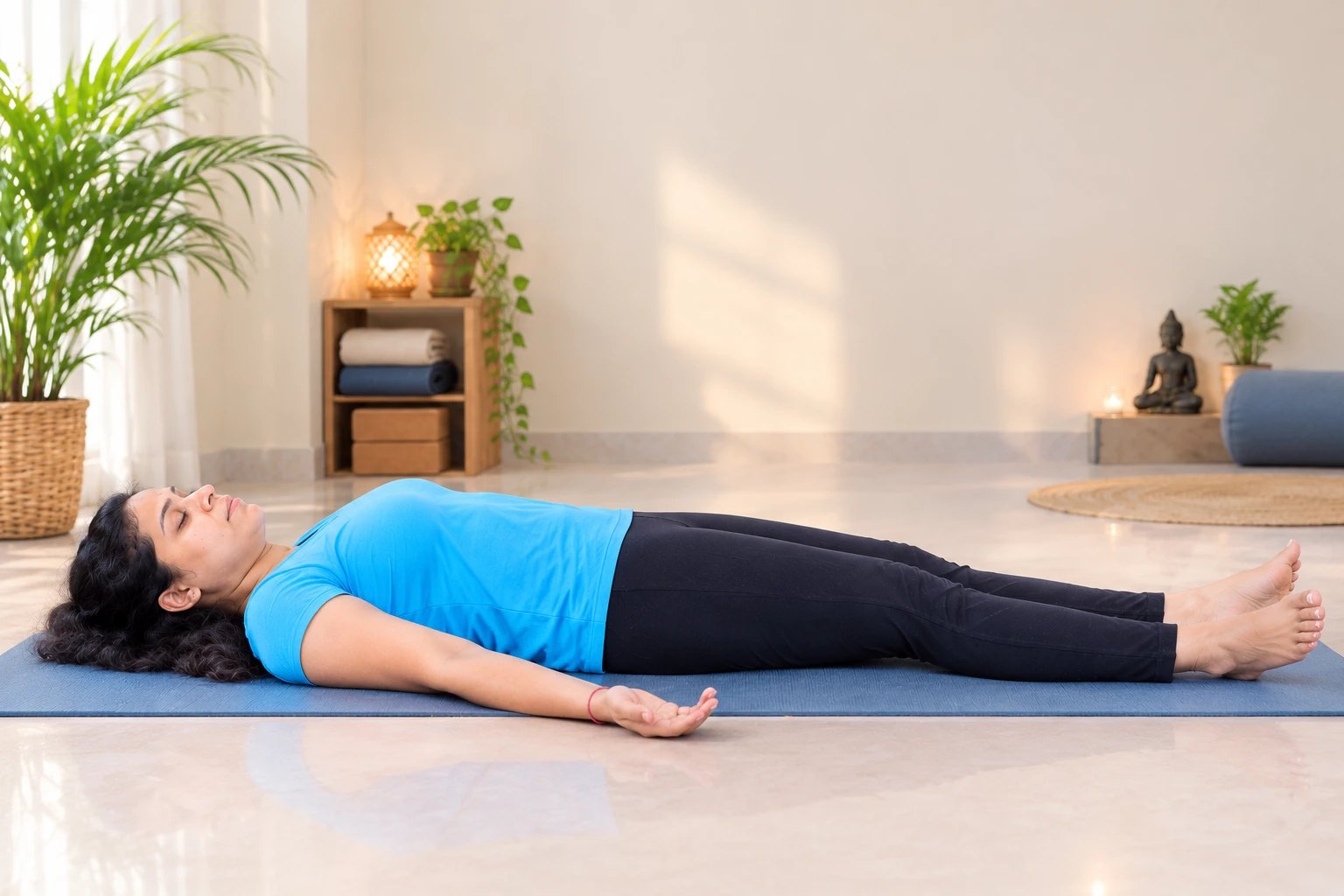
Therapeutic rest that lets the body integrate.
The Buchi Yoga method
Instead of forcing the body into deep stretches, this structured therapeutic sequence rebuilds the foundation gently.
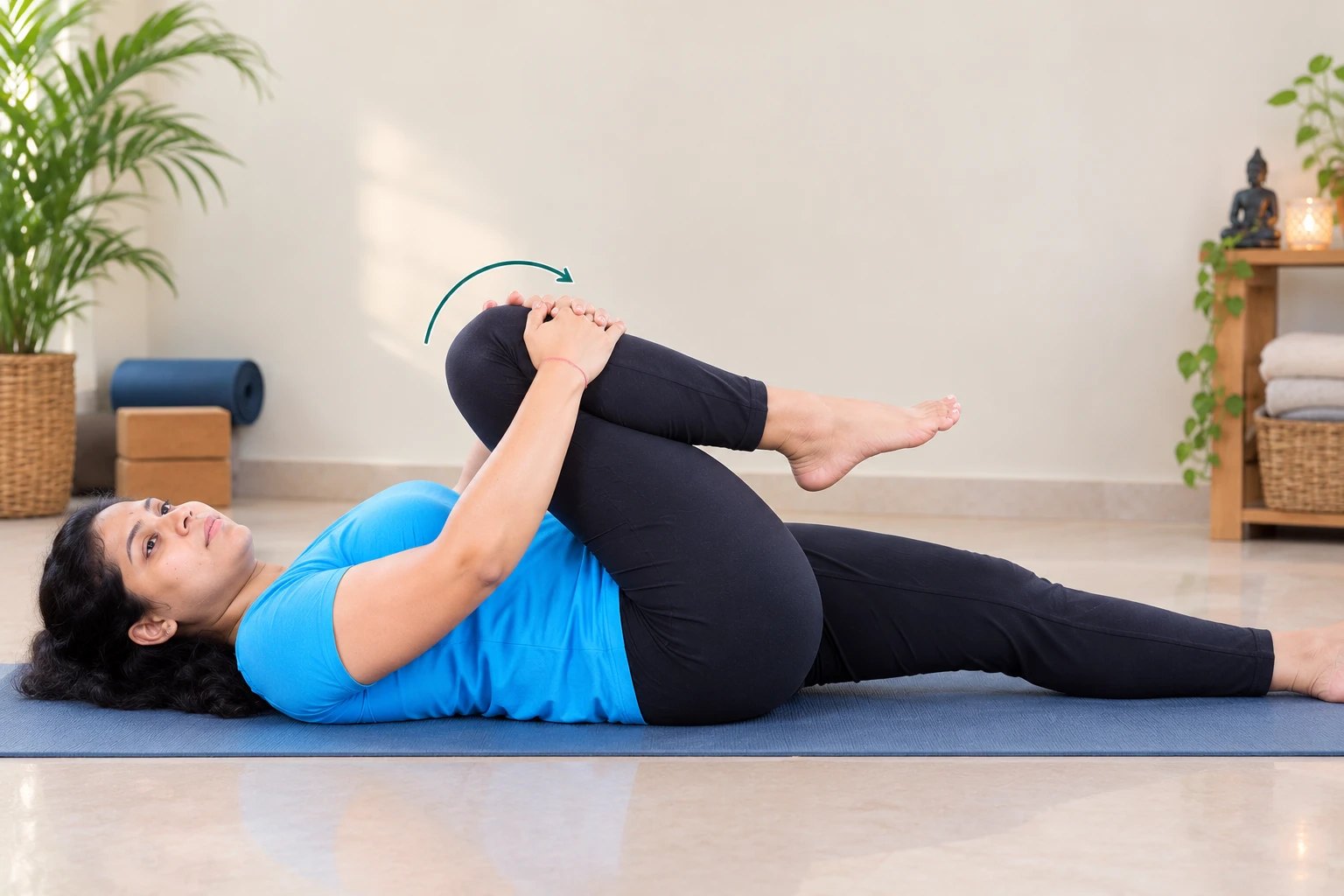
This foundational sequence is essential, and almost never taught. Here is the difference in practice:
| Generic fitness yoga | Pawanmuktasana protocol |
|---|---|
| Starts with asanas | Starts with joint preparation |
| One class for everyone | Problem-specific approach |
| Results visible in months | Felt in the first week |
| Targets fitness | Targets the root cause |
Your recovery
Consistency matters far more than intensity. This is the usual shape of it.
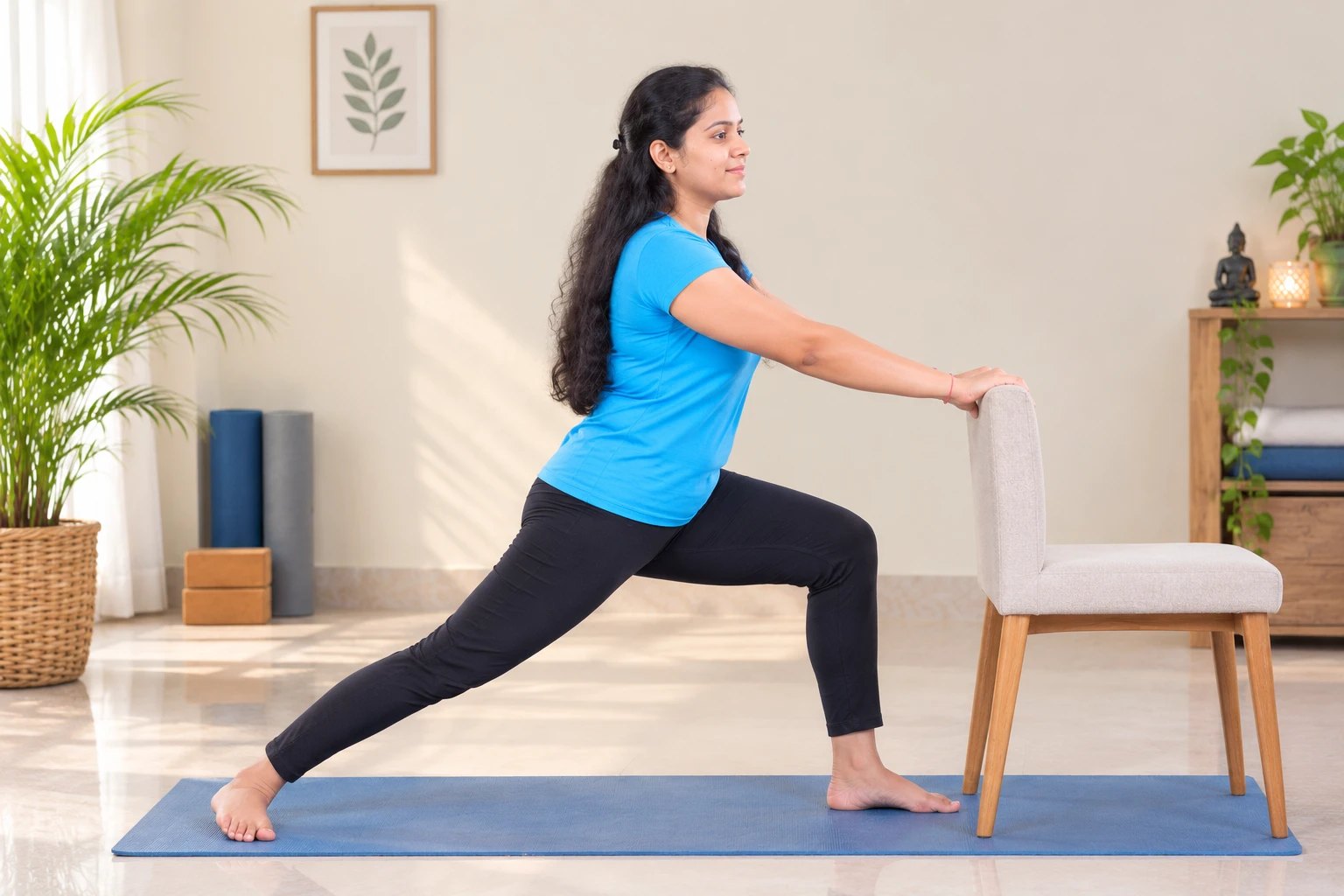
Joint pain eases and sleep begins to feel deeper and more settled.
Sleep stabilises, and the everyday heaviness begins lifting naturally.
Core problems start resolving at a deeper level. Energy becomes more consistent.
With consistency, the body moves toward long-term recovery and stability.
Inside each session
Sixty minutes, live on Zoom, in this order every day.
The body cannot heal while it is in a constant stress response. Chanting regulates the nervous system and prepares the body for recovery.
Joint activation through Pawanmuktasana, followed by condition-specific asanas that improve mobility, strengthen muscular support and stimulate internal systems.
Deep rest lets the body absorb and integrate the practice. This is where recovery settles into the system.
Controlled breathing improves oxygen delivery, circulation and nervous-system regulation — supporting recovery and energy.
The shift
| Before Pawanmuktasana | After Pawanmuktasana |
|---|---|
| Constant back pain and daily stiffness | Ease in movement, with little or no pain |
| Disturbed sleep and low energy | Deep sleep and steady energy |
| Bloating, acidity and digestive discomfort | Settled digestion and better gut function |
| Irregular cycles and hormonal imbalance | More stable cycles and balanced hormonal function |
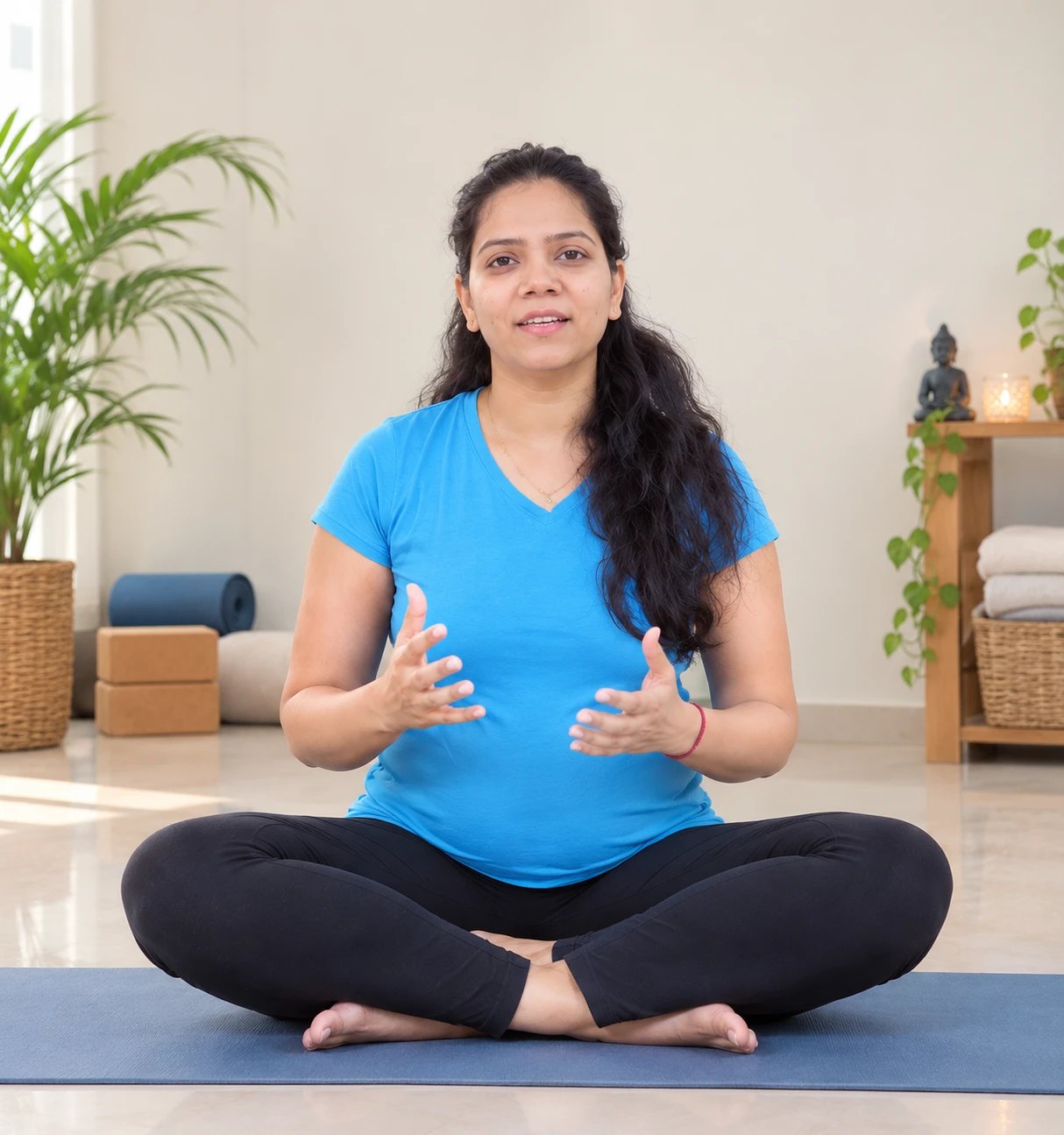
Meet your teacher
Women's Yoga Therapy Specialist · PG Diploma in Yoga Therapy
Renu did not approach yoga as a career option. She trained in it as a discipline and built her work through clinical application.
After a Master’s in Yoga from a government university, finishing 3rd in her rank, she moved directly into practice across hospitals, nursing homes and specialist clinics.
“When someone comes with a problem and follows the practice consistently, recovery follows. I’ve seen this outcome too many times to question it.”
Fees
Two classes run every weekday — the 6:00 – 7:00 am regular class and the 9:00 – 10:00 am therapy class. A membership is for one of them. Start with three free days first; you only choose a class and a plan after that.
Payment by UPI. You get a QR code with the exact amount, and your plan is activated within 12 hours once we confirm the payment.
Your first three days are free
Three complete sessions — Pawanmuktasana joint activation, mantra chanting, guided movement and the full therapeutic flow. Continue only if it genuinely feels right for your body.
Questions
That is exactly the starting point this sequence was designed for. Pawanmuktasana begins with joint movement, not postures — there is nothing to stretch into and nothing to hold.
Most women who join have never done yoga before. Stiffness is a reason to start, not a reason to wait.
Those are the conditions the protocol is built around. Renu's clinical work has been with arthritis recovery, cervical spondylosis and spine issues, and the practice is adjusted to what your body allows on the day.
Tell us what you are dealing with when you register, so the class is guided with that in mind. If you are under treatment for something specific, keep your doctor in the loop — this works alongside medical care, not instead of it.
Most classes begin at asanas — sun salutations, standing sequences, flows. If the joints and spine have not been prepared, that adds load to a body that is already tired, and the discomfort returns.
This starts one step earlier: joint activation first, then condition-specific postures, then rest and breathing. The order is the difference.
No. There is no fitness requirement, no equipment, and nothing you need to be able to do beforehand. You work at the pace your body allows that day.
Yes — these are among the most common reasons women join. Parts 2 and 3 of the sequence work on the abdominal and pelvic region and on calming the nervous system, which is where digestion, cycles and sleep tend to respond.
How much changes, and how quickly, varies from person to person.
Most women notice the first shift within the first week — usually less stiffness and deeper sleep. Digestion and energy tend to settle around the first month.
Changes to the underlying issue take three to six months of consistent practice. Consistency matters far more than intensity.
You join a batch that starts on a Monday and runs to Wednesday, 10:30 to 11 am, on Zoom. Three sessions — mantra chanting, Pawanmuktasana joint activation, guided asanas, savasana and pranayama.
Nothing is held back and nothing is charged. At the end of the three days you decide whether to continue.
Take the three free days first — that is what they are for.
You can also book a 15-minute consultation, Monday to Friday, on a call, WhatsApp video or Zoom. Tell us what you are dealing with beforehand and Renu will tell you honestly whether this practice suits your situation.
Live, on Zoom, every day. Renu can see you and correct you, and you can ask questions during the session. That is the whole point of a therapeutic class — a recording cannot adjust to your body.
The session is recorded too, and the recording goes into the class group afterwards. It stays there for seven days, so a morning you genuinely cannot make is not a morning lost.
Nothing is lost. The sequence repeats and builds, so you pick up with the next session.
If you know you will be away for a stretch, tell us — it is easier to plan around it than to fall behind quietly.
Free demo: Monday to Wednesday, 10:30 to 11 am.
Regular class: Monday to Friday, 6 to 7 am.
Therapy class: Monday to Friday, 9 to 10 am. A membership is for one of these two — you choose which when you join.
By UPI. The plan page shows a QR code and the exact amount — pay from any UPI app, then enter the transaction reference on the same page.
We check it against our account and activate your plan, usually within a few hours. You get a receipt and your class link by email.
Still unsure? Message us on WhatsApp or call +91 91096 01735.